April 2024

Pericardial effusion occurs when there is an abnormal amount of fluid around the heart.  The heart is normally surrounded by a thin membranous sac called the pericardium.  The space between the pericardium and the muscle that is the heart is referred to as the perciardial space.  Normal levels of pericardial fluid within the pericardial space are from 15 to 50 mL, or about 1-3 tablespoons.

An effusion, therefore, represents  an abnormal accumulation of fluid in the pericardial space.   Because of

Continue Reading Increased Fluid Around the Heart May Cause Cardiac Tamponade
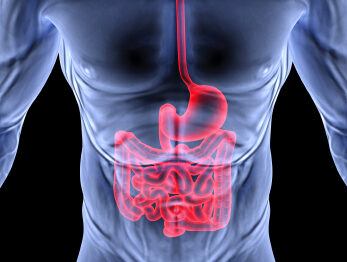
The small bowel is a long coiled hollow tube, called a tract, that is approximately twenty-five feet long. It includes the duodenum, jejunum and ileum.  A small bowel obstruction, also known as a small intestinal obstruction, is a mechanical or functional (paralytic) blockage of the intestinal tract, which prevents the normal transit of digestive products. It can occur at any level throughout the jejunum and ileum, and is considered a medical emergency when it occurs. The condition is often treated conservatively

Continue Reading Small Bowel Obstruction and Medical Malpractice

Hypertrophic pyloric stenosis (HPS) in infants is a narrowing of the pylorus, the lower part of the stomach through which food and other stomach contents pass to enter the small intestine. When an infant has HPS, the muscles in the pylorus have enlarged resulting in narrowing within the pyloric channel preventing food from emptying out of the stomach.

HPS is a form of gastric outlet obstruction, which means a blockage from the stomach to the intestines. It affects three

Continue Reading Hypertrophic Pyloric Stenosis

Wilson’s disease is a rare autosomal recessive disorder, where copper accumulates in the body’s tissues and organs, specifically the liver, brain, and eyes. The body acquires and stores too much copper. Copper deposition causes damage, death, and scarring of tissues leading to dysfunction of organs. 

The incidence of Wilson’s disease is 1:300,000. If both parents possess an abnormal gene for Wilson’s disease, there is a 25% chance their child will have the disorder. The gene responsible for Wilson’s disease is

Continue Reading Wilson’s Disease and Medical Malpractice